After managing our fleet through countless seasons and tracking competitor pricing patterns for years, we've identified clear cycles that determine whether you'll pay 25 euros or 45 euros daily for the same vehicle. The difference isn't random. It follows predictable patterns based on tourist flows, weather conditions, and local events.
Understanding these patterns saves serious money. That week-long rental costing 210 euros in February jumps to 315 euros in July. Same car, same service, but timing alone creates a 105 euro difference.

Table of Contents
Understanding Agadir's Seasonal Reality
Agadir's tourism follows European vacation patterns more than Moroccan ones. When schools break across France, Germany, and UK, our prices respond accordingly. When European winters peak, our coast becomes increasingly attractive, and demand climbs.
The city never truly empties like some Mediterranean destinations. Year-round sunshine and mild temperatures maintain steady visitor flows even during traditionally quiet periods. But the intensity fluctuates significantly, and those fluctuations drive rental pricing.
Peak Season Breakdown
Summer Peak (July-August)
European summer holidays create our busiest period. Schools across Europe release students, families head to beaches, and Agadir fills completely. Hotels reach capacity, flights multiply, and rental demand peaks.
Our pricing during these months typically increases 20-40% above baseline rates. That Hyundai i10 renting for 25 euros in April hits 30-35 euros in July. Automatic vehicles see even steeper increases since demand outstrips supply more severely.
Vehicle availability becomes the bigger challenge than pricing. Popular categories like compact automatics and family SUVs book out weeks in advance. Last-minute summer bookings often mean accepting whatever remains available, usually at premium rates.
Winter Holiday Rush (Late December-Early January)
The Christmas and New Year period creates a secondary peak almost matching summer intensity. Europeans escaping cold winters discover Agadir's 20-25°C temperatures and sunshine.
This shorter peak concentrates demand intensely. Two weeks of holiday season can see prices jump 35-45% while availability drops to nearly zero for preferred vehicle types. The Dacia Duster we rent at 40 euros in November might hit 42-45 euros during Christmas week.
Spring Shoulder (April-May)
Easter holidays create mini-peaks within otherwise moderate months. Pricing increases 15-25% during actual Easter weeks, then drops back to baseline immediately after. If your dates have flexibility, booking the week after Easter rather than during saves considerably.
This shoulder period offers the best weather-to-price ratio. Temperatures reach pleasant 22-28°C, rainfall becomes rare, and pricing stays reasonable outside Easter weeks. Our most satisfied customers often visit during these months.
Low Season Opportunities
Winter Months (January-March excluding holidays)
Post-New Year through March represents our quietest period. European tourists return home, and Moroccan domestic travel slows after holiday peaks. This creates genuine bargains.
Pricing drops 25-35% below peak rates. That automatic Hyundai Accent costing 40 euros in summer rents for 30-35 euros in February. Manual vehicles become even more affordable, sometimes reaching 22-25 euros daily for extended bookings.
Vehicle availability opens completely during these months. Want a specific car type? Book even days before arrival and we'll likely have it ready. This flexibility becomes valuable for travelers with uncertain plans.
Weather considerations exist. January and February bring occasional rainfall, though nothing like European winters. Mountain roads to Paradise Valley can become problematic after heavy rain. Coastal drives remain perfect year-round.
Late Autumn (November-early December)
After October's moderate tourism and before holiday season begins, November offers another value window. Pricing settles 20-30% below peak rates while weather remains excellent.
This period suits travelers avoiding crowds. Popular destinations like Paradise Valley and Taghazout beaches lose tour bus congestion. You'll pay less while experiencing Agadir more authentically.
Ramadan's Impact on Pricing and Availability
Ramadan creates unique market dynamics that most international visitors don't anticipate. The holy month shifts annually based on lunar calendar, but its effects on car rental remain consistent.
Pricing During Ramadan
Our rates typically drop 20-30% during Ramadan compared to equivalent non-Ramadan periods. This happens because European tourism decreases slightly while business travel slows significantly. Moroccan domestic travelers visit family rather than touring, reducing overall demand.
A vehicle renting for 30 euros in regular March might drop to 24-26 euros during Ramadan in March. This represents genuine savings for budget-conscious travelers who understand and respect local customs.
Operational Considerations
Some smaller rental companies reduce operating hours during Ramadan. We maintain full 24/7 service including airport deliveries at any hour. This consistency matters for travelers whose flights arrive during evening or early morning hours.
Restaurant and cafe availability becomes limited during daylight hours, affecting road trip planning. Fuel stations remain open normally. Tourist sites operate regular schedules, though some restaurants near them may close until sunset.
European Holiday Synchronization
Understanding European school holidays provides the clearest predictor of Agadir rental pricing. Our market depends heavily on French, German, British, and Dutch visitors whose travel patterns follow their children's school breaks.
French School Holidays
France represents our largest source market. French school zones (A, B, C) stagger their two-week February winter breaks and April spring breaks. When any zone breaks, we see demand increases. When all three overlap, availability tightens considerably and pricing responds.
Late February through mid-March typically sees at least one French zone on holiday. Booking during these periods requires more advance notice than surrounding weeks.
German and British Patterns
German state school systems also vary their holiday timing, creating rolling demand throughout February and March. British half-term breaks add another layer of complexity.
The practical result? February and March show unpredictable pricing spikes depending on which European holidays align in any given week. Checking European school calendars when planning trips during these months pays off.
Booking Window Strategy
How far in advance you book significantly impacts both pricing and vehicle availability. We've tracked booking patterns across thousands of reservations to identify optimal windows.
Peak Season Booking (Summer, Christmas)
For July and August travel, book 3-4 weeks minimum in advance. Serious summer travelers book even earlier, sometimes 2-3 months ahead. This advance booking secures preferred vehicle types and locks in rates before late increases.
Christmas and New Year bookings should happen 4-6 weeks early. The concentrated two-week demand creates faster availability constraints than summer's two-month spread.
We occasionally increase prices 2-3 weeks before peak periods when we see strong booking velocity and declining availability. Early bookers avoid these late premium increases.
Shoulder Season Booking (Spring, Autumn)
One to two weeks advance booking suffices for April-May and September-October periods, excluding Easter weeks. Vehicle availability remains good and pricing stays stable until shortly before arrival.
Easter weeks specifically require 3-4 week advance booking despite falling within shoulder season. The intensity of that specific week mirrors peak season patterns.
Low Season Booking (Winter, November)
During January-February and November, booking even 3-5 days before arrival presents no problems. We maintain full fleet availability and stable pricing right up to departure dates.
Some travelers book months ahead regardless of season for peace of mind. We accommodate this but want you to understand it's unnecessary during quiet periods. Save yourself the advance commitment when flexibility serves you better.
Last-Minute Booking Reality
Last-minute bookings work differently across seasons and come with distinct tradeoffs.
Low Season Last-Minute (Winter, November)
Last-minute January-February bookings often unlock our best deals. When we see light booking levels approaching low season periods, we sometimes offer below-standard rates rather than leaving vehicles idle.
Calling us directly 3-5 days before arrival during these months can occasionally yield 15-20% discounts below our online rates. We'd rather rent at 22 euros than leave a car parked earning nothing.
Peak Season Last-Minute (Summer, Holidays)
Last-minute summer or holiday bookings rarely find discounts. Instead, you'll pay premium rates for whatever vehicle categories remain available. That preferred automatic sedan? Likely gone, leaving you with either smaller manual cars or expensive SUV upgrades.
We generally maintain higher pricing for last-minute peak bookings because demand exists. Someone will book that remaining vehicle, so discount incentives don't make business sense.
Shoulder Season Last-Minute (Spring, Autumn)
One week before arrival during shoulder season presents the sweet spot for opportunistic last-minute booking. Availability remains good while some small discounts may apply if booking volume looks light.
This works best when you have vehicle category flexibility. "Whatever automatic you have available" bookings get better treatment than "must have Duster" requirements.
Vehicle Type Availability Patterns
Different vehicle categories show distinct availability cycles worth understanding for booking strategy.
Economy Manual Cars (Logan, i10, Clio)
These maintain best availability across all seasons. Even during peak August weeks, we typically have economy manuals available. Their lower price point means larger fleet allocation and consistent stock.
If budget matters most and you're comfortable with manual transmission, these categories rarely disappoint even with late booking.
Automatic Vehicles (Accent, Automatic Duster)
Automatics represent our tightest availability category. European drivers increasingly prefer automatics, yet rental fleets historically maintained fewer automatic units. This supply-demand imbalance creates earlier booking requirements.
During July-August, automatic categories book out 3-4 weeks in advance regularly. We've increased automatic fleet allocation in response, but demand growth keeps pace. Book early for automatics during any peak period.
SUVs and Larger Vehicles (Duster, Megane)
Family-sized vehicles show concentrated demand during school holiday periods. A family of four can't downsize to an i10, creating less flexibility and earlier booking needs.
Outside school holiday windows, these categories maintain good availability. Duster bookings made 1-2 weeks ahead rarely face availability issues except during peak summer and Christmas periods.
Weather Considerations for Seasonal Planning
Weather doesn't vary as dramatically as pricing, but it affects trip quality and vehicle choice timing.
Summer Heat (June-September)
Temperatures reach 28-35°C regularly. Vehicle air conditioning becomes essential rather than optional. We've never rented a car without working AC, but some older vehicles from other companies might struggle with peak heat.
This heat makes beach and coastal drives ideal while mountain exploration becomes less comfortable during midday hours. Early morning and evening driving works better for interior destinations during summer months.
Winter Mild Season (November-March)
Temperatures stay pleasant at 18-25°C. Perfect for all-day exploration without heat concerns. Occasional winter rainfall creates the only significant weather consideration.
Heavy rain events (rare but possible in January-February) can make mountain tracks temporarily impassable. Paradise Valley upper routes and some Atlas Mountain roads require more caution. Coastal drives remain perfect in any weather.
Spring and Autumn Ideal (April-May, September-October)
These months offer Morocco's best weather for driving exploration. Temperatures reach comfortable 22-28°C, rainfall becomes minimal, and even mountain drives stay pleasant throughout the day.
If weather rather than budget drives your timing, target these months despite slightly higher pricing than winter.
Local Events and Their Impact
Several local events create mini-demand spikes worth knowing about.
Agadir Anniversary (February 29)
The city commemorates the 1960 earthquake on February 29 (or 28 in non-leap years). While this creates local activity, it has minimal impact on rental demand or pricing.
Timitar Music Festival (July)
This Amazigh culture festival in July brings additional visitors during already-peak season. Hotel availability tightens more than rental car pricing, since many festival attendees stay locally without needing vehicles.
Moussem Festivals (Various Dates)
Regional moussems (religious festivals) occur throughout the year in surrounding areas. These traditional gatherings create local traffic but rarely impact tourist rental patterns significantly.
Booking Strategies That Actually Save Money
Based on managing bookings across all these variables, here are strategies that consistently reduce costs:
Strategy 1: Avoid Absolute Peak Weeks
If your dates have any flexibility, shifting by even one week can drop prices 20-30%. Late June rather than mid-July. Early September instead of late August. Mid-December versus the actual Christmas week.
Strategy 2: Extend Rental Duration
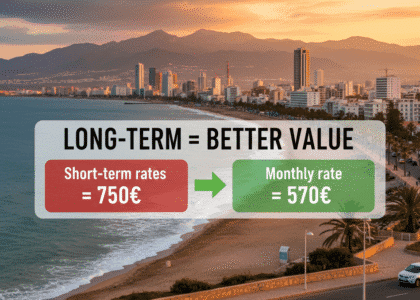
Our pricing structure includes significant volume discounts. Seven-day bookings cost less per day than three-day rentals. Two-week rentals unlock even better per-day rates.
If you're considering three separate weekend trips, one continuous two-week rental often costs similar total amounts while providing more flexibility.
Strategy 3: Book Direct and Communicate
Online booking aggregators add commission layers that inflate pricing. Booking directly with us eliminates those intermediaries. We can also discuss your specific situation and potentially adjust pricing for longer bookings or off-peak periods.
A quick phone call about your dates sometimes reveals flexibility we can't offer through automated online systems.
Strategy 4: Monitor and Rebook
We offer free cancellation up to 48 hours before pickup. If you book early to secure availability but later see lower pricing, canceling and rebooking costs nothing. Some customers actively monitor prices after initial booking and rebook if rates drop.
This works particularly well for shoulder season bookings when pricing remains less predictable than peak or low seasons.
Strategy 5: Consider Manual Transmission
If you can drive manual transmission, you'll save 15-20% and maintain much better availability across all seasons. Our manual fleet costs less and books out less frequently than automatics.
Many younger Europeans never learned manual driving, but if you have that skill, use it to your advantage.
When Timing Matters Less
Some travelers have fixed dates and can't optimize timing for pricing. Work conferences happen when they happen. Family events have set dates. That's fine - understanding these patterns still helps you book early enough to secure availability even if you can't dodge peak pricing.
For fixed peak season dates, the key becomes booking early enough to lock in vehicles before availability constraints force expensive alternatives. Accepting that timing prevents deals lets you focus on the controllable element: advance booking to secure what you need.
Our Direct Recommendation
If we had to choose one optimal window for the best combination of pricing, weather, and availability: late April through mid-May, specifically the three weeks after Easter.
You'll find pricing 25-35% below summer peaks, perfect weather for all driving conditions, excellent availability across all vehicle types, and far fewer crowds at popular destinations. Book 2-3 weeks in advance for complete vehicle selection and stable pricing.
For pure budget optimization ignoring weather: February (avoiding French school holiday weeks) offers absolute lowest pricing at 30-40% below peak rates. Book as late as a week before arrival and still find good availability.
Ready to plan your Agadir adventure? Check our fleet for current availability and pricing, or contact us directly to discuss your specific dates and vehicle needs. We'll help you navigate the timing variables for your particular situation.